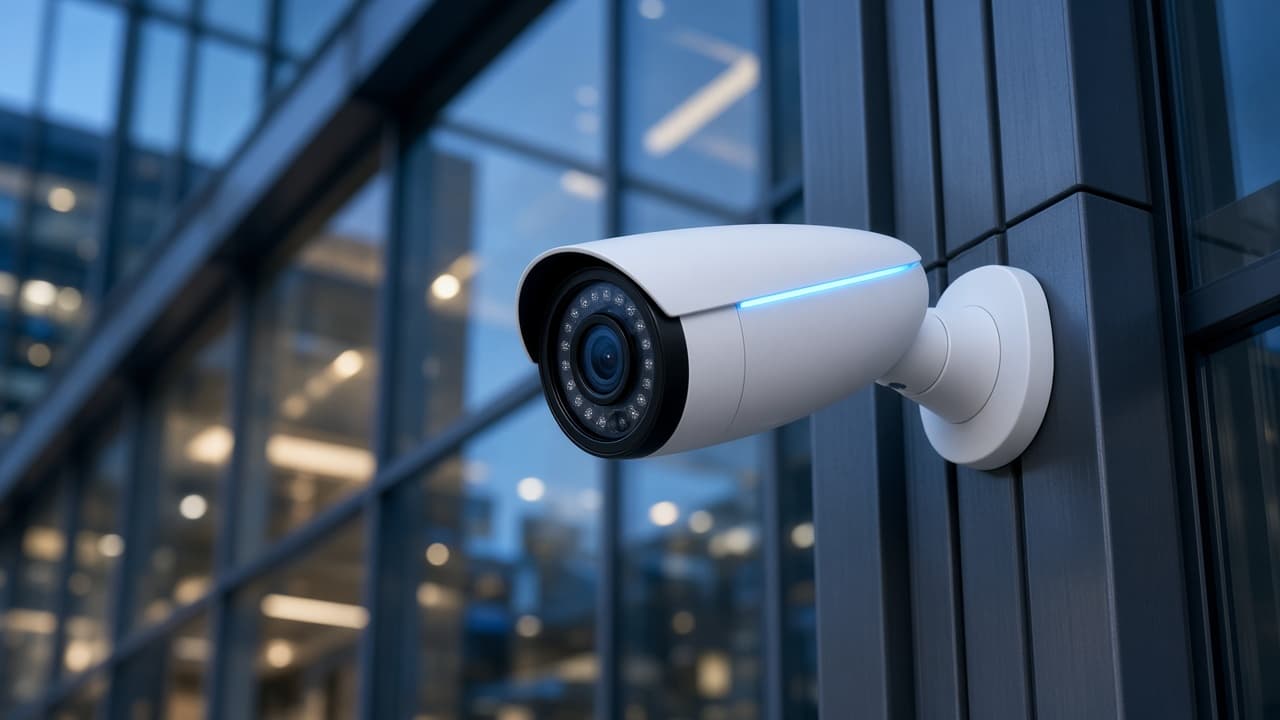

· CCTV
A successful CCTV installation starts before the first screw is drilled. A short site survey should confirm camera objectives, cable pathways, mounting surfaces, power availability, and network closet conditions. Skipping this step is the most common reason projects overrun or leave coverage gaps.
Design documentation does not need to be complicated, but it should be clear. A marked floor plan, camera schedule, and recording retention assumptions help stakeholders approve the scope. If night viewing is critical, test or estimate infrared and ambient lighting conditions early.
During installation, cable management and labeling matter as much as camera aim. PoE runs should respect distance limits. Outdoor mounts need weather-aware sealing and secure fastening. Recorders should sit in ventilated, access-controlled spaces with UPS protection whenever practical.
Commissioning includes verifying each camera view, focus, timestamp accuracy, user accounts, remote access method, and retention behavior. Spot-check playback and export workflows so the team knows how to retrieve evidence when needed.
Handover should include a simple operating guide: who can access the system, how to review footage, how to request support, and what maintenance looks like. Training a few named users is better than sharing one weak password across the office.
DigiDarpan follows a practical path from requirement understanding to installation and support. If you are planning a new CCTV project or upgrading an aging system, a structured installation guide like this keeps scope, quality, and accountability aligned.